
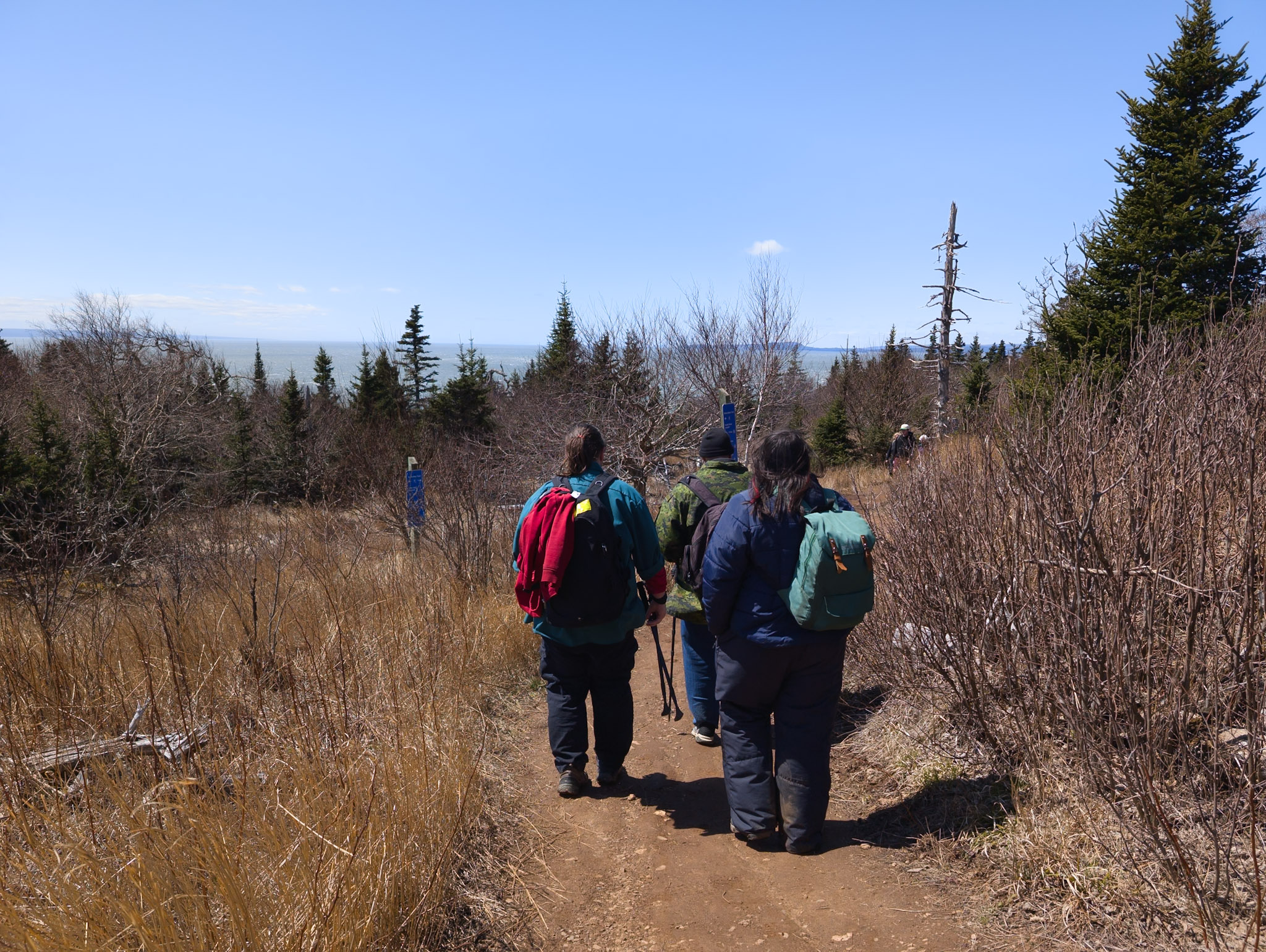
Some moments seem ordinary while we are living them.
A walk along a familiar trail. A coffee shared with someone you love. A spontaneous road trip where the plan was simply to see where the day took you. A child’s laugh, a family tradition, a favourite place you return to again and again.
Then, years later, those are the moments we find ourselves wanting to remember.
Memories are more than photographs stored on a phone or a collection of souvenirs tucked away in a drawer. They are the stories that connect us to the people we love, the places we have explored, and the experiences that shaped us.
There is a difference between experiencing a moment and preserving the story behind it. A photo can show what a place looked like, but a few words can remind you how the ocean smelled, who was standing beside you, what made you laugh, or why that day mattered.
Memory keeping does not have to be complicated, perfectly organized, or reserved for major milestones. Some of the most meaningful memories come from everyday adventures and small moments we choose to notice.
At Rediscover Nova Scotia, memories are at the heart of every adventure. Exploring new places is not just about checking locations off a list. It is about creating connections with landscapes, communities, traditions, and the people who make those places special.
Whether you are keeping a journal from a road trip, sending a postcard to someone far away, capturing a family tradition, or simply taking a moment to reflect on a day worth remembering, you are preserving a piece of your story.
Because memories are not just moments that happened. They are the stories we choose to keep.
Section 1: Understanding Memories
1. Why Memories Matter
The moments we remember most are not always the ones we planned for.
A major milestone, a once-in-a-lifetime trip, or a special celebration may stand out immediately, but often it is the smaller details that stay with us the longest. The sound of waves during a family beach day. The route you always took on Sunday drives. The little traditions that slowly became part of your family’s story.
Memories help us understand where we have been and what has mattered along the way. They remind us of the people who shared those moments with us, the places that shaped us, and the experiences that brought us joy.
In a world where so much of life moves quickly, taking time to remember helps us slow down and appreciate what we have experienced. Looking back at a photo, reading an old journal entry, or finding a keepsake from a past adventure can bring back emotions that may have faded with time.
Memory keeping is also a way of staying connected.
For ourselves, memories help us reflect on our own journey. They show us how much we have changed, what we have accomplished, and what moments have truly mattered.
For families, memories become stories that are passed down. The places you visited, the traditions you created, and the funny little moments that happened along the way become part of your shared history.
For communities, memories help preserve the character of a place. The stories of local businesses, favourite gathering spots, unique landscapes, and personal experiences all contribute to what makes a location meaningful.
This is why exploring a place is about more than simply being there.
A destination becomes special because of the memories connected to it. The beach where a child found their first piece of sea glass. The trail where friends laughed until they couldn’t walk anymore. The small-town café that became part of a family’s annual tradition.
These are the stories that turn places into something more.
At Rediscover Nova Scotia, we believe adventures are not just about finding somewhere new. They are about creating moments worth remembering and keeping those stories alive long after the day is over.
Reflection Prompt
Think about a memory that still makes you smile.
What do you remember most about it?
Was it the place, the people, the feeling, or a small detail you never expected to remember?
2. The Stories Hidden in Everyday Moments
When we think about memorable experiences, our minds often jump to the big ones.
The dream vacation. A major celebration. A once-in-a-lifetime adventure.
Those moments certainly deserve a place in our stories, but they are not the only moments worth remembering.
In fact, many of the memories we treasure most begin as completely ordinary days.
A rainy afternoon spent exploring a small museum. An unexpected stop at a roadside lookout. A family game night that became a weekly tradition. A walk through your neighbourhood when the leaves were at their brightest. A conversation on a long drive with nowhere particular to be.
At the time, these moments may not seem important enough to document. We assume we will remember them forever.
Yet years later, it is often the little details that become the most precious.
You may forget the exact date, but remember the smell of salt air drifting through an open car window. You may not recall every stop along the route, but remember the laughter that filled the vehicle. You may lose track of the itinerary, but remember how a place made you feel.
That is because memories are rarely built from facts alone.
They are built from emotions, connections, and experiences.
One of the greatest myths about memory keeping is that your life needs to be extraordinary in order to be worth documenting. The truth is that meaningful memories happen all around us every day.
The challenge is not creating perfect moments.
The challenge is noticing them.
This idea is at the heart of Rediscover Nova Scotia.
You do not need to travel across the world to find an adventure worth remembering. Sometimes the most meaningful experiences happen close to home, in places you have passed a hundred times before. A local trail, a hidden beach, a community event, or a spontaneous road trip can become part of your story when you approach it with curiosity.
When we start paying attention to everyday moments, we begin to see our lives differently.
Instead of waiting for something memorable to happen, we learn to recognize the memories that are already being made.
Pause & Reflect
Think about the past month.
What is one ordinary moment that made you smile?
Maybe it was a conversation, a place you visited, a beautiful view, or a quiet moment with someone you love.
If you could save just one memory from the past thirty days, what would it be?
Try This
For the next week, take one photo each day of something that made you pause, smile, or feel grateful.
Do not worry about taking the perfect picture.
The goal is not photography.
The goal is noticing.
At the end of the week, look back through the photos and see what story they tell.
You may be surprised by how much beauty was hiding in moments that seemed ordinary at the time.
Section 2: Ways to Preserve Memories
3. Beyond Photo Albums: Creative Ways to Keep Memories
For many of us, memory keeping begins and ends with photos.
Our phones are filled with snapshots from family gatherings, road trips, celebrations, favourite meals, and everyday moments. Photos are wonderful reminders of where we have been and what we have experienced.
But sometimes a picture only tells part of the story.
A photo can show the view from a lookout, but it cannot explain why that day was special. It cannot capture the conversation that happened on the drive there, the unexpected detour that became the highlight of the trip, or the feeling of standing in that place for the first time.
That is why meaningful memory keeping often goes beyond photographs alone.
The best memory collections combine images, stories, keepsakes, and reflections that help bring an experience back to life.
Fortunately, there is no single right way to preserve memories. The best method is the one that feels enjoyable and sustainable for you.
Journals and Written Reflections
Writing down a few thoughts after an experience can preserve details that photos often miss.
You do not need to fill pages with perfectly written stories. A few sentences can be enough.
Consider recording:
- Where you went
- Who was with you
- Something that surprised you
- A favourite moment
- How the experience made you feel
Years later, those small notes can unlock memories you might otherwise have forgotten.
Postcards With a Story
Postcards are often thought of as souvenirs, but they can become something much more meaningful.
Try writing a note on the back before storing it. Describe what happened that day, what you enjoyed most, or what you hope to remember in the future.
You can also mail postcards to friends and family, sharing a piece of your experience while creating a keepsake that may be treasured long after the trip is over.
Collections and Keepsakes
Not every memory needs to be preserved in words.
Sometimes a small object can instantly transport us back to a moment.
A pressed flower from a favourite hike. A ticket stub from a special event. A map marked with places explored. A piece of sea glass found on a beach walk.
These items may seem ordinary to others, but they often carry powerful personal stories.
The key is not collecting everything. It is choosing a few meaningful items that represent an experience worth remembering.
Memory Boxes
A memory box can be one of the simplest ways to preserve life’s adventures.
Store photographs, postcards, notes, tickets, small souvenirs, and other meaningful items in one place.
Over time, the box becomes a collection of stories waiting to be revisited.
There is something special about opening a memory box years later and rediscovering moments that may have otherwise faded from view.
Audio and Video Memories
Not all memories need to be written down.
Recording a short video, voice note, or conversation can capture details that photographs cannot.
The sound of waves crashing on a shoreline. A child’s excitement during an adventure. The voice of a loved one sharing a story.
These recordings often become even more valuable as time passes.
Choosing What Works for You
The best memory-keeping system is not the most elaborate one.
It is the one you will actually use.
Some people love detailed journals. Others prefer a photo collection with a few captions. Some enjoy collecting keepsakes, while others create digital albums or short videos.
There is no wrong approach.
The goal is not perfection.
The goal is preserving enough of the experience that you can revisit the story later.
Pause & Reflect
Think about a favourite memory from the past year.
If someone found only a photograph from that day, what part of the story would be missing?
What detail, feeling, or moment would you want to record alongside the image?
4. The Art of Storytelling Through Photos
A photograph can do more than document a place.
The best photographs tell a story.
They capture a feeling, a moment, or a memory that allows us to return to an experience long after it has passed. When we look back through our photos years later, we are rarely interested in whether the image was technically perfect. What matters is whether it helps us remember.
The challenge is that many of us photograph places without photographing the experience itself.
We take a picture of the lighthouse, but not the winding road that led us there. We capture the scenic lookout, but not the excitement of arriving after a long drive. We photograph the destination but forget the little details that made the day memorable.
Storytelling through photography is about looking beyond the obvious.
Instead of asking, “What should I photograph?” try asking, “What do I want to remember?”
The answer often leads to very different images.
Capture the Journey, Not Just the Destination
Some of the most meaningful photos happen before you arrive.
Consider photographing:
- The road stretching ahead of you
- The ferry crossing the water
- A favourite roadside stop
- The coffee shop where you started the day
- The map or guidebook you used to plan your adventure
These images help tell the complete story of an experience.
Look for the Small Details
Details often carry memories better than wide landscapes.
A pair of muddy boots after a hike. Sea glass collected on a beach. A picnic lunch on a weathered table. A hand reaching toward a wildflower.
These small moments help bring a memory back to life because they reflect how it felt to be there.
Include the People Who Shared the Experience
Many of us become so focused on photographing places that we forget to photograph the people who explored them with us.
You do not need posed portraits or perfect smiles.
Sometimes the most meaningful photos are candid moments:
- Someone laughing at an inside joke
- A child examining a tide pool
- Friends walking down a trail
- Family members sharing a meal
Years later, these images often become the most treasured.
Photograph the Atmosphere
Think beyond what you can see.
What made the experience memorable?
Was it the fog rolling across the coastline? The sunlight filtering through the trees? The crashing waves? The quiet stillness of a winter morning?
While a camera cannot capture every sense, thoughtful photos can help bring those feelings back.
Tell the Story in a Series
One photograph rarely tells the whole story.
Instead of choosing a single image, consider documenting an experience through a collection of photos.
A simple storytelling sequence might include:
- Preparing for the adventure.
- The journey there.
- Details along the way.
- The destination itself.
- A favourite moment from the day.
- The trip home.
Together, these images create a richer memory than any single photograph could.
Remember to Put the Camera Away
This may sound strange in a section about photography, but some moments are meant to be experienced rather than documented.
Not every memory needs a photograph.
Sometimes the most powerful thing you can do is pause, take in the view, enjoy the conversation, or simply be present.
The goal of memory keeping is not to spend every moment behind a camera.
It is to preserve enough of the experience that you can remember it while still fully living it.
Pause & Reflect
Scroll through the photos on your phone from the past month.
Which image immediately brings a story to mind?
What makes it memorable?
Is it the place itself, or the experience connected to it?
Try This
On your next adventure, challenge yourself to take five storytelling photos:
- One wide scene
- One close-up detail
- One photo of the journey
- One photo of a person or companion
- One photo that captures the feeling of the day
At the end, look at the collection and see how much more complete the story feels.
5. Creating Meaningful Travel and Adventure Journals
When people hear the word journal, they often imagine pages filled with detailed stories and perfectly written reflections.
The reality can be much simpler.
An adventure journal is not about creating a masterpiece. It is about preserving enough of an experience that you can revisit it later. A few notes, a favourite photo, or a quick reflection can be just as meaningful as several pages of writing.
The best journals are not the ones that are perfectly organized.
They are the ones that capture the moments that matter.
Why Keep an Adventure Journal?
Memories fade faster than we realize.
The places we visit may stay clear in our minds for years, but the small details often disappear first. The funny conversation during the drive, the hidden trail you discovered by accident, the local recommendation that led to the best meal of the trip, or the unexpected moment that became the highlight of the day.
Recording these details helps preserve the full story of an experience, not just the destination.
An adventure journal also encourages us to slow down and reflect. Instead of rushing from one experience to the next, we take a moment to consider what made the day meaningful.
What to Include in a Journal
There is no right or wrong way to keep a journal.
Some people enjoy writing detailed entries, while others prefer short notes and lists.
You might choose to record:
- Where you went
- Who was with you
- Weather and season
- Something you learned
- A favourite moment
- Something unexpected
- A challenge you faced
- A place you would like to revisit
- A memory you hope never to forget
Even a few sentences can help bring a memory back to life years later.
Add More Than Words
A journal does not have to be all writing.
Consider including:
- Printed photographs
- Sketches or doodles
- Postcards
- Ticket stubs
- Maps
- Pressed flowers or leaves
- Brochures from places visited
These small additions help create a richer record of an experience and make the journal enjoyable to revisit.
Use Prompts When You Feel Stuck
One of the biggest reasons people stop journaling is that they are not sure what to write.
Prompts can make the process easier by giving you a place to start.
Try questions like:
- What surprised me today?
- What made me smile?
- What would I tell a friend about this experience?
- What is one thing I want to remember from this day?
- If I could relive one moment from today, what would it be?
There are no wrong answers.
The goal is simply to capture a few thoughts before they fade.
Keep It Sustainable
A journal only works if you enjoy using it.
If writing pages of reflections feels overwhelming, keep it simple.
Write three sentences.
Answer one prompt.
Create a list of favourite moments.
Add a photo and a short caption.
The habit you maintain is far more valuable than the perfect journal you never use.
Building a Story Over Time
One journal entry may seem small on its own.
But over months and years, those entries become a collection of experiences, discoveries, and memories.
You begin to notice patterns.
Favourite places emerge.
Traditions develop.
You can look back and see not only where you have been, but how you have grown and what adventures have shaped your story.
That collection becomes something much more valuable than a travel log.
It becomes a record of a life well lived.
Pause & Reflect
Think about your most recent adventure, whether it was a weekend road trip or a simple outing close to home.
What are three details you would want to remember a year from now?
Write them down before they fade.
Try This
After your next outing, set a timer for five minutes.
Without worrying about grammar, spelling, or structure, write down everything you remember about the experience.
You may be surprised by how many details return once you start recording them.
Enjoying this article?
Get the free Small Moments Memory Kit and discover simple ways to find inspiration, play with an idea, and make something without pressure.
Free instant download. Plus monthly emails with playful ideas to explore, create, notice more, and rediscover Nova Scotia.
We respect your privacy. Unsubscribe anytime.
Section 3: Sharing Memories
6. Creating Family Traditions That Last
Some of the most meaningful memories are not tied to a single event.
They are built through experiences repeated over time.
A yearly camping trip. Sunday drives through the countryside. Visiting the same beach every summer. Baking a favourite recipe during the holidays. Taking a family photo in the same location each year.
Individually, these moments may seem ordinary.
Together, they become traditions.
Traditions have a unique way of weaving themselves into our stories. They create something to look forward to, something to share, and eventually, something to remember. Over time, they become part of a family’s identity and history.
Ask someone about their childhood, and chances are they will not start by listing individual days. They will often talk about traditions.
The annual road trip.
The Christmas Eve routine.
The summer cottage visits.
The family reunions.
These repeated experiences create a collection of memories that feel larger than any single moment.
Traditions Don’t Have to Be Grand
When people hear the word tradition, they sometimes imagine something elaborate that requires a great deal of planning.
The best traditions are often the simplest.
A monthly adventure day.
An annual visit to a favourite lighthouse.
A family photo every first day of summer.
A tradition of sending postcards from every trip.
A walk through the same park each autumn to admire the changing leaves.
What matters is not the size of the tradition.
What matters is the consistency and meaning behind it.
Creating New Traditions
Every tradition starts somewhere.
Often, it begins without anyone realizing it.
A place you enjoy visiting becomes somewhere you return year after year. A spontaneous activity becomes something everyone expects. A simple idea grows into a cherished family ritual.
If you would like to create new traditions, start small.
Ask yourself:
- What activities bring us together?
- What places do we return to again and again?
- What experiences would we like future generations to remember?
The answers often point toward traditions already waiting to be created.
The Stories Traditions Leave Behind
One of the greatest gifts traditions provide is a shared collection of stories.
The wrong turn that became part of every family joke.
The restaurant everyone insists on visiting.
The year it rained the entire trip.
The favourite lookout where everyone takes the same photo.
These stories are passed down and retold long after the original moment has passed.
In many ways, traditions are memory-making machines.
They create opportunities for connection, laughter, reflection, and shared experiences that become part of a family’s story for years to come.
Traditions and Place
Some traditions are deeply connected to a particular location.
A favourite hiking trail.
A campground visited every summer.
A small town explored each autumn.
A scenic coastal drive that marks the beginning of vacation.
These places become meaningful not because of what they are, but because of what happened there.
The memories give the place its significance.
That is one of the reasons exploring close to home can be so rewarding. Returning to familiar places allows us to build layers of memories over time, transforming ordinary locations into places that hold personal meaning.
Pause & Reflect
Think about a tradition from your childhood or one you enjoy today.
What makes it memorable?
Is it the activity itself, the people involved, the location, or the stories that have grown around it?
Try This
Choose one simple activity you could repeat each year, season, or month.
It could be as simple as visiting the same lookout every autumn or taking a family adventure day once each season.
Then document it.
Take photos, write a few notes, or collect a small keepsake.
Years from now, you’ll have more than a collection of memories.
You’ll have the story of a tradition.
7. Sharing Your Stories With Others
Memories are personal, but they rarely stay with just one person.
One of the most powerful things about a story is that it grows when it is shared.
A photograph shown to a friend can spark a conversation. A postcard sent from a favourite destination can brighten someone’s day. A family story told around a dinner table can be passed from one generation to the next.
When we share our experiences, we are not simply talking about where we have been.
We are inviting others into the moments that mattered to us.
Why Sharing Matters
Think about some of the stories you know about your family.
Many of them likely happened before you were born.
You know them because someone took the time to tell them.
Perhaps it was a grandparent describing life in a small community, a parent sharing memories of childhood adventures, or a relative recounting a family tradition that continues today.
Stories help preserve experiences that might otherwise be forgotten.
They connect generations, strengthen relationships, and give meaning to the moments that shape our lives.
Memories Become Part of Something Bigger
Every story contributes to a larger picture.
A family’s history.
A community’s identity.
A region’s culture.
A place’s character.
When people share stories about local landmarks, favourite traditions, community events, and everyday experiences, they help preserve the spirit of those places for future generations.
The history of a community is not only found in museums and archives.
It is also found in personal stories.
Simple Ways to Share Your Memories
Sharing memories does not have to be complicated.
Sometimes the smallest gestures have the greatest impact.
You might:
- Send a postcard while travelling.
- Create a photo album for family members.
- Share a favourite memory during a family gathering.
- Write down stories from older relatives.
- Create a scrapbook or memory box.
- Share photos and reflections online.
- Give a meaningful keepsake connected to a shared experience.
Each of these helps keep memories alive.
Sharing Through Postcards and Keepsakes
Physical keepsakes have a special kind of staying power.
A postcard displayed on a shelf.
A handwritten note tucked inside a book.
A photograph framed on a wall.
A small souvenir from a memorable adventure.
These objects often become reminders of people, places, and experiences long after the moment itself has passed.
Years later, they can instantly bring a story rushing back.
Sharing Online With Purpose
Social media has made it easier than ever to share our experiences.
While it can be tempting to focus on creating the perfect post, some of the most meaningful content comes from simply telling the story behind the image.
Instead of only sharing where you went, consider sharing:
- What surprised you.
- What made you smile.
- What you learned.
- Why the experience mattered.
The story often resonates more deeply than the destination itself.
Listening Is Part of Sharing
Sharing memories is not only about telling our own stories.
It is also about listening to the stories of others.
Ask questions.
Encourage family members to share memories.
Talk to longtime residents about how a place has changed.
Invite children to describe their favourite parts of an adventure.
Some of the most valuable stories are the ones we take time to hear.
Keeping Stories Alive
A memory that stays locked away may eventually fade.
A memory that is shared gains new life.
Each time a story is told, revisited, or passed along, it continues its journey.
That is why memory keeping is about more than preserving experiences for ourselves.
It is about creating connections.
Between generations.
Between communities.
Between places and people.
And between the past and the future.
Pause & Reflect
What is one story from your life that you hope never gets forgotten?
Who would you share it with?
How could you preserve it so that it can be revisited years from now?
Try This
Reach out to a family member or friend and ask them to share one of their favourite memories.
Write it down, record it, or save it in a journal.
You may discover a story you have never heard before.
Section 4: Memory-Keeping Resources
8. Seasonal Memory-Making Ideas
Some memories happen unexpectedly.
Others begin with a simple decision to make time for an experience.
One of the easiest ways to create meaningful memories is to embrace the changing seasons. Each season offers unique opportunities for adventure, connection, and reflection. By intentionally seeking out seasonal experiences, you create a steady collection of moments that can be remembered, shared, and revisited for years to come.
The beauty of seasonal memory making is that it does not require expensive travel or elaborate planning.
Often, the most memorable experiences are found close to home.
Spring: Celebrate New Beginnings
Spring invites us to get outside after the long winter months and rediscover familiar places.
Ideas to inspire memory-making:
- Visit a garden in bloom.
- Take a road trip to a town you’ve never explored.
- Watch migrating birds return.
- Start a nature journal.
- Photograph signs of spring each week.
Spring memories often capture a sense of renewal, discovery, and possibility.
Summer: Embrace Adventure
Summer naturally lends itself to memory making.
Long days, warm evenings, and community events provide endless opportunities to create stories worth sharing.
Consider:
- Beach days and picnics.
- Camping adventures.
- Farmers’ markets and festivals.
- Scenic drives.
- Outdoor concerts and events.
- Exploring hidden gems in your region.
The goal is not to fill every weekend with activity. Sometimes a simple afternoon spent outdoors becomes the memory you treasure most.
Autumn: Capture the Beauty of Change
Autumn encourages us to slow down and appreciate the changing landscape.
Ideas include:
- Leaf-peeping drives.
- Harvest festivals.
- Apple picking.
- Nature walks.
- Seasonal photography challenges.
- Creating gratitude or reflection journals.
Autumn memories often carry a strong sense of nostalgia, making them especially rewarding to document.
Winter: Create Moments of Comfort and Connection
Winter may seem quieter, but it offers some of the richest opportunities for memory keeping.
Try:
- Holiday traditions.
- Winter hikes.
- Community celebrations.
- Sledding and skating.
- Cozy creative projects.
- Recording family stories during indoor gatherings.
Some of the most meaningful memories are created not through adventure, but through connection.
Building a Year of Memories
Instead of waiting for special occasions, consider creating a simple seasonal tradition.
Visit the same location four times a year and photograph the changes.
Take a family photo every season.
Keep a journal of favourite seasonal moments.
Collect one keepsake that represents each season.
Small traditions like these create a powerful record of time passing and experiences shared.
Looking for More Seasonal Inspiration?
If you’re searching for ideas to help you create meaningful experiences throughout the year, visit our Seasonal Adventures resource hub. You’ll find seasonal activity ideas, local inspiration, and ways to make the most of every season.
Pause & Reflect
Which season holds your favourite memories?
What experiences do you look forward to every year?
What new tradition could you start this season?
Try This
Create a “Four Seasons Memory Challenge.”
Before the year ends, capture:
- One favourite place in each season.
- One memorable experience in each season.
- One photo that represents how the season felt.
At the end of the year, you’ll have a collection of memories that tells the story of your seasons.
9. Your Memory-Keeping Toolkit
Memory keeping does not require expensive equipment, artistic talent, or hours of free time.
The most important tool is simply the decision to notice and preserve the moments that matter.
Whether you prefer journals, photographs, keepsakes, or storytelling, having a few simple tools can make it easier to capture memories before they fade.
Think of this toolkit as a collection of ideas you can adapt to fit your own style.
Journal Prompts for Meaningful Memories
Sometimes the hardest part of memory keeping is knowing where to begin.
A simple prompt can help unlock details you might otherwise forget.
Try asking yourself:
- What made me smile today?
- What surprised me?
- What is one detail I never want to forget?
- Who shared this experience with me?
- What did this place teach me?
- What would I tell someone else about this adventure?
- What moment would I relive if I could?
- How did this experience make me feel?
You do not need to answer every question. Even one thoughtful response can help preserve a memory.
Photo Ideas That Tell a Story
When documenting an experience, challenge yourself to capture more than just the destination.
Try photographing:
- The journey to get there.
- A meaningful detail.
- The people you are with.
- Something unexpected.
- A favourite view.
- A meal or treat connected to the day.
- A keepsake from the adventure.
- A photo that captures the feeling of the experience.
Together, these images create a richer story than a single scenic shot ever could.
Keepsakes Worth Saving
Not every memory needs to live on a screen.
Consider keeping:
- Postcards
- Maps
- Ticket stubs
- Event wristbands
- Brochures
- Pressed flowers or leaves
- Sea glass or small natural treasures
- Handwritten notes
- Children’s drawings from special outings
The goal is not to save everything.
The goal is to save a few meaningful items that help tell the story.
Travel Documentation Tips
If you enjoy exploring new places, creating a simple travel record can be incredibly rewarding.
Consider tracking:
- Places visited
- Dates of your adventures
- Favourite discoveries
- Local recommendations
- Memorable meals
- Interesting facts learned along the way
- People you met
- Places you would like to revisit
These details often become more valuable with time.
Simple Memory-Keeping Supplies
You do not need a dedicated craft room to preserve memories.
A few basic supplies can go a long way:
- A journal or notebook
- Pens or markers
- Photo storage albums
- A memory box
- Archival storage envelopes
- Adhesive photo corners
- Small folders for postcards and keepsakes
Choose tools that fit your lifestyle and make memory keeping enjoyable.
Helpful Resources
If you’re looking for inspiration and tools to help preserve your adventures, consider exploring:
- Adventure journals for recording experiences and reflections.
- Postcards that help tell the story of places you’ve visited.
- Printable memory-keeping pages and prompts.
- Seasonal adventure guides for creating new experiences.
- Photography resources to improve storytelling through images.
Remember, the best tool is the one you’ll actually use.
Start Small
One of the biggest mistakes people make is believing they need to document everything.
You don’t.
Choose one memory.
Write a few notes.
Save a photograph.
Keep a postcard.
Record a story.
Over time, these small efforts become a collection of moments that tell the story of your life.
Pause & Reflect
If you could only keep one memory from this month, what would it be?
How would you preserve it?
Try This
Before the end of today, save one memory.
Write a sentence about it.
Take a photo.
Keep a small reminder.
Share the story with someone you care about.
The memory doesn’t need to be extraordinary.
It only needs to matter to you.
Conclusion
Life moves quickly.
Days become weeks, weeks become years, and before we know it, moments that once felt ordinary have become part of our story.
The truth is that memories do not have to be perfect to be meaningful.
They are not built only through milestone celebrations, bucket-list trips, or carefully planned adventures. More often, they are found in quiet conversations, familiar places, family traditions, unexpected discoveries, and everyday experiences we choose to notice.
Memory keeping is not about documenting every detail of life.
It is about preserving the moments that matter.
A photograph that brings back a feeling. A journal entry that captures a forgotten story. A postcard that reminds us of a place we loved. A keepsake that instantly transports us back to a special day.
These small pieces help us reconnect with our experiences, the people we shared them with, and the stories that continue to shape who we are.
Whether you keep a journal, collect keepsakes, tell stories around the dinner table, or simply pause to appreciate the beauty in everyday moments, you are creating something valuable.
You are building a record of a life well lived.
And perhaps most importantly, you are creating stories that can be shared, revisited, and passed on for years to come.
So take the photo.
Write the note.
Save the postcard.
Start the tradition.
Share the story.
Because memories are not built by perfectly preserving every moment.
They are built through the moments we notice, the experiences we share, and the stories we choose to keep.
Continue Your Journey
Looking for more inspiration? Explore these related resources:
Adventure Sparks → Create experiences and moments worth remembering.
Creative Escapes → Use creativity to capture, reflect on, and celebrate your experiences.
Seasonal Adventures → Discover ways to create meaningful memories throughout the year.
Nova Scotia Adventures → Explore places that become stories worth sharing.