
Creativity belongs to everyone.
It is easy to think of creativity as something reserved for artists, photographers, writers, or people who seem to have a natural talent for making beautiful things. But creativity is not about perfection, skill, or creating something worthy of a gallery wall. Creativity is about curiosity. It is about noticing the small details around us, exploring new ideas, and finding moments of joy through the process of making.
In a world that often feels busy and rushed, creative moments give us permission to slow down. They help us become more present — to notice the colours of a sunset, the textures of a weathered rock, the patterns found in nature, or the stories hidden in everyday places. Creativity allows us to reconnect with ourselves and see familiar surroundings in a new way.
At Rediscover Nova Scotia, creativity is inspired by the world around us. A walk along the coast can become a photography adventure. A collection of beach treasures can become a memory project. A quiet afternoon with a journal or colouring page can become a moment to reflect and recharge.
Creative escapes are not about creating something perfect. They are about making time to explore, experiment, and discover what inspires you.
Whether you consider yourself creative already or you are simply curious to try something new, there is a creative adventure waiting for you.
Why Creativity Isn’t Just for Artists
When many people hear the word “creative,” they picture someone painting a masterpiece, writing a novel, or creating something they could display in a gallery. This idea can make creativity feel intimidating — like something you are either naturally good at or something you simply were not born with.
But creativity is not limited to traditional art forms. It is a way of thinking, noticing, and exploring.
Everyday creativity shows up in the choices we make, the problems we solve, and the ways we interact with the world around us. It can be found in arranging flowers from your garden, finding a new recipe with the ingredients you have, taking a photo because something caught your eye, decorating your home, planning a memorable outing, or finding a unique way to capture a special moment.
Creativity begins with curiosity.
A child picking up a shell and wondering where it came from is being creative. Someone noticing the perfect light over a field and stopping to take a photo is being creative. Someone writing down a memory so they never forget it is being creative.
The finished product is only one small part of creativity. The real magic happens in the process — slowing down, paying attention, experimenting, and discovering something new.
At Rediscover Nova Scotia, creativity is often inspired by the places around us. A walk along the shoreline, a visit to a local community, or a quiet moment surrounded by nature can spark ideas. You do not need special skills or expensive supplies to begin. You simply need to be willing to look a little closer and ask, “What can I discover here?”
Creativity is not about being the best at something. It is about finding your own way to connect with the world.
The Benefits of Creative Play as an Adult
Somewhere along the way, many of us stopped making things just for the joy of making them.
As children, creativity was a natural part of life. We coloured outside the lines, built things out of whatever we could find, collected treasures from nature, and imagined endless possibilities. There was no pressure for it to be perfect — the fun was in exploring.
As adults, creativity often becomes tied to productivity. We create because we need to finish a project, solve a problem, or achieve a specific result. But there is value in creating simply because it brings us joy.
Creative play gives us a chance to slow down and be present. When we focus on a creative activity, we step away from the constant noise of daily responsibilities and give our minds space to wander, explore, and recharge.
Creative activities can help us:
Relax and reset
Creative moments can provide a calming break from busy routines. Whether it is colouring, photography, journaling, crafting, or exploring a new idea, creating encourages us to focus on the moment instead of everything waiting on our to-do list.
Build curiosity and confidence
Trying something new reminds us that creativity is a skill we can develop. Every experiment, idea, or attempt teaches us something — even when the result is not what we imagined.
Strengthen connections
Creativity can bring people together. A family adventure, a shared photography challenge, a handmade gift, or a memory journal can turn experiences into something meaningful that is shared with others.
Notice the world differently
Creative activities encourage us to pay attention. A photographer looks for interesting light. An artist notices colours and shapes. A journaler notices moments worth remembering. Creativity helps us slow down enough to appreciate the details we might normally miss.
The goal of creative play is not to create something perfect. It is to create moments of discovery.
When we give ourselves permission to explore without judgment, creativity becomes less about the final product and more about the experience itself.
Photography as a Way of Seeing the World
Photography is often thought of as a way to capture what we see. In reality, it can change how we see.
When we carry a camera—or even just a phone camera—we begin paying attention to details that might otherwise go unnoticed. We notice the way sunlight filters through leaves, the patterns left behind by the tide, the colours of wildflowers along a trail, or the texture of weathered wood on an old building.
Photography encourages us to slow down.
Instead of rushing from one destination to the next, we start looking more carefully at the world around us. A place we have visited dozens of times can suddenly feel new when we challenge ourselves to find an interesting angle, a hidden detail, or a story waiting to be told.
One of the greatest benefits of photography is that it helps us become more observant. The goal is not always to create a perfect image. Sometimes the value comes from simply noticing something we would have otherwise missed.
You do not need professional equipment to experience this shift in perspective. A smartphone camera can be just as effective at encouraging curiosity and exploration. What matters most is developing the habit of looking closely.
Try giving yourself a simple photography challenge on your next outing:
- Photograph five different textures.
- Capture three things that show signs of the season.
- Look for patterns in nature.
- Find something colourful in an unexpected place.
- Tell the story of your day using only five photos.
These types of challenges encourage you to explore with intention and discover details that might otherwise blend into the background.
Photography can also become a visual journal of your experiences. A collection of images from a favourite beach, a family road trip, or a quiet walk close to home can help preserve not only what you saw, but how you felt in that moment.
In many ways, photography is less about the camera and more about attention. The more closely we look, the more we discover—and discovery is where creativity often begins.
Finding Inspiration in Nature and Everyday Life
Many people assume inspiration arrives as a sudden spark. They wait for the perfect idea, the perfect mood, or the perfect moment before they begin creating.
More often, inspiration starts with paying attention.
The world around us is filled with colours, textures, patterns, stories, and small details that can become the starting point for a creative project. The challenge is not finding inspiration. The challenge is noticing it.
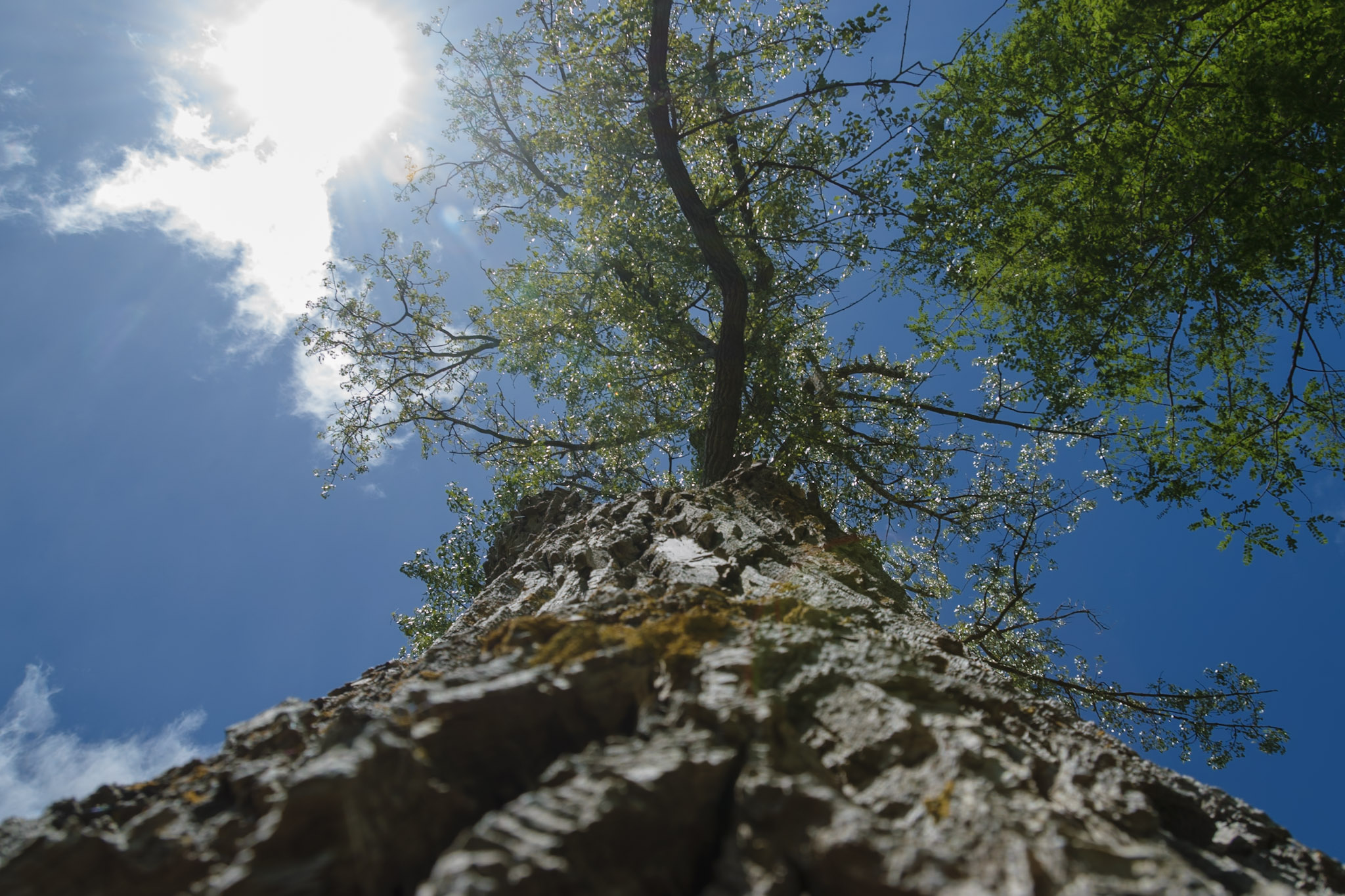
Nature is one of the easiest places to begin. A walk along the shoreline might reveal interesting shells, driftwood shaped by the waves, or colours reflected in a tidal pool. A forest trail can offer patterns in tree bark, the shape of leaves, or sunlight filtering through the canopy. Even your own backyard can provide endless opportunities to observe and create.
Creative inspiration can also be found in everyday experiences.
A favourite coffee shop, an old building, a community event, a family road trip, or a conversation with a friend can all spark ideas. A single photograph, memory, object, or observation can grow into a journal entry, a collection, a creative challenge, or an entirely new project.
One simple way to develop a creative mindset is to start collecting inspiration as you encounter it. You might:
- Take photos of things that catch your attention.
- Keep a notebook of ideas, observations, or memories.
- Save interesting colours, quotes, or images.
- Gather small treasures from your adventures, such as shells, leaves, or stones where appropriate.
- Record places you would like to revisit or explore further.
Over time, these small collections become a source of creative fuel. When you are unsure what to create, you already have a library of ideas waiting for you.
The next time you head out on an adventure, challenge yourself to look beyond the destination. Notice the details. Pay attention to what captures your curiosity. Often the most meaningful creative ideas come from the things we almost walked past.
Inspiration is rarely something we have to search for. More often, it is something we learn to notice.
Creating When You Don’t Feel Creative
One of the biggest myths about creativity is that you need to feel inspired before you begin.
In reality, creativity often works the other way around. Taking a small action can create the inspiration you were waiting for.
Even the most creative people experience periods where ideas seem difficult to find. Life gets busy. Energy runs low. Sometimes the pressure to create something good can make it harder to start at all.
When this happens, try lowering the bar.
Instead of focusing on creating something impressive, focus on simply engaging with the creative process. Give yourself permission to experiment, explore, and be curious without worrying about the outcome.
A few simple ways to get started include:
Use a creative prompt
Prompts remove the pressure of coming up with an idea from scratch. Try photographing something blue, writing about a recent adventure, or sketching an object you can see from where you are sitting.
Set a small challenge
Commit to just five minutes. Take five photos. Write five sentences. Colour one page. Small goals are often easier to begin, and getting started is usually the hardest part.
Go somewhere new
A different environment can shift your perspective. Visit a local park, explore a nearby community, walk a different route, or spend time somewhere you have never stopped to observe before.
Revisit old inspiration
Look through past photos, journals, collections, or memories. Sometimes an unfinished idea simply needs a fresh perspective.
Focus on observation instead of creation
If creating feels overwhelming, spend time noticing. Watch the waves, study the shapes of clouds, or pay attention to the sounds around you. Observation is often the first step toward creativity.
Most importantly, remember that creativity does not have to be productive to be worthwhile.
Not every photograph needs to be shared. Not every journal entry needs to be profound. Not every creative project needs to become something larger.
Sometimes the value comes from the experience itself.
The next time you feel stuck, start small. A single photo, a simple sketch, a few written thoughts, or a short walk can be enough to restart your creative momentum. Inspiration often appears after we begin, not before.
Enjoying this article?
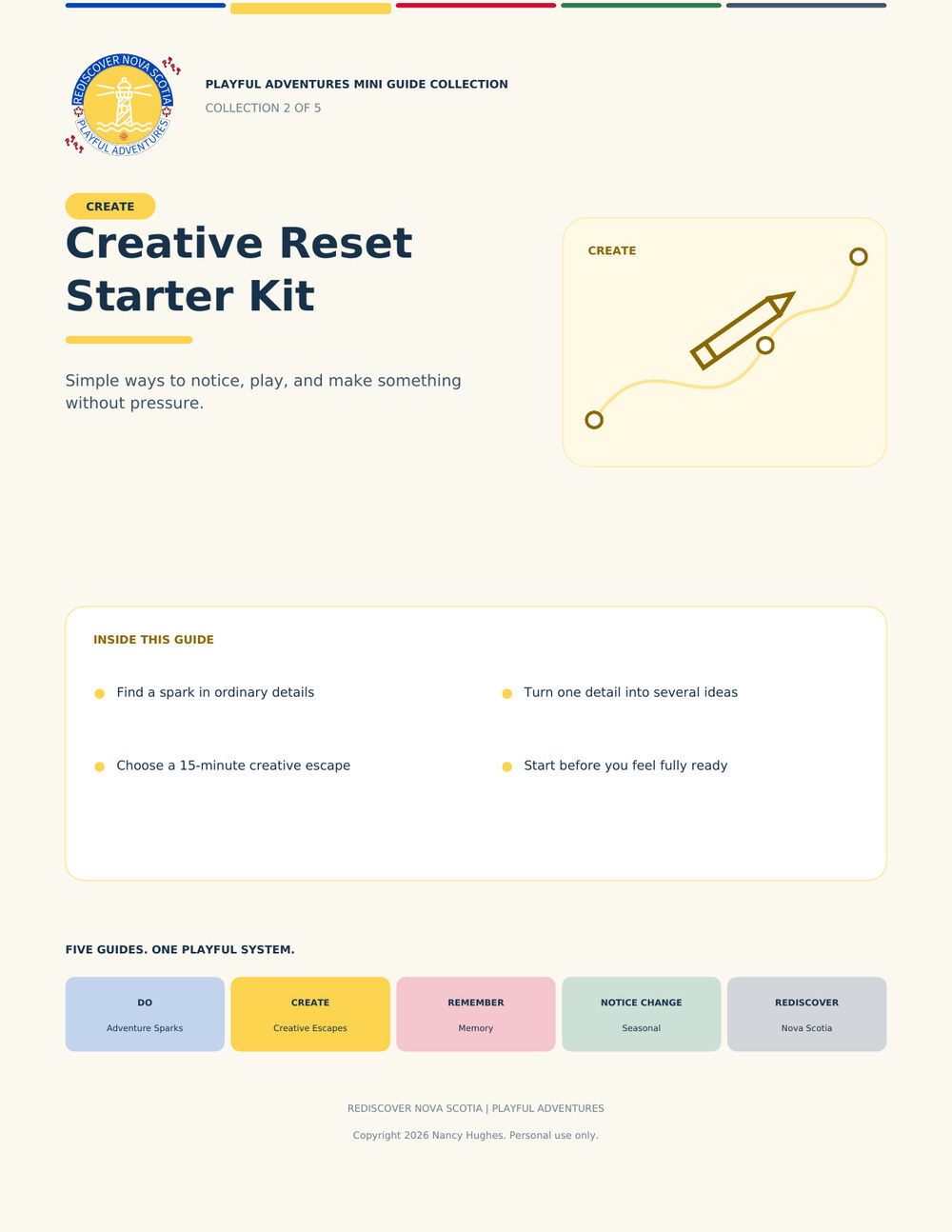
Get the free Creative Reset Starter Kit and discover simple ways to find inspiration, play with an idea, and make something without pressure.
Free instant download. Plus monthly emails with playful ideas to explore, create, notice more, and rediscover Nova Scotia.
We respect your privacy. Unsubscribe anytime.
Turning Adventures Into Creative Projects
Every adventure has a story.
Whether it is a road trip to a new community, a walk along the shoreline, a visit to a local attraction, or an afternoon spent exploring close to home, each experience offers opportunities for creativity long after the adventure is over.
Many people think of an outing as something that begins when they leave home and ends when they return. A creative mindset extends the experience by turning memories, observations, and discoveries into projects that can be enjoyed long after the day is done.
Photography is one of the simplest examples. Instead of viewing photos as snapshots stored on a phone, they can become part of a themed collection, a seasonal challenge, a photo book, or a visual journal of places explored throughout the year.
Journaling offers another way to continue the adventure. Recording favourite moments, unexpected discoveries, or lessons learned helps preserve details that might otherwise fade with time. Even a few short notes can capture the feeling of a special day.
Collections can also tell a story. Beach treasures, pressed leaves, maps, tickets, brochures, and postcards can all become part of a memory display or scrapbook that reflects your experiences.
You can even create your own personal challenges. Try photographing a different lighthouse each month, collecting evidence of seasonal changes throughout the year, or documenting hidden gems in your local area. Giving your adventures a creative focus can encourage you to look more closely and discover things you might otherwise miss.
The goal is not to create more work for yourself. It is to extend the enjoyment of the experience.
When adventures inspire creative projects, they become more than a single day on the calendar. They become stories, memories, and keepsakes that continue to bring joy long after the journey is over.
Looking for ideas to get started? Visit the Adventure Sparks pillar for simple ways to turn everyday outings into meaningful experiences and creative discoveries.
Creating to Remember Your Experiences
Some moments are worth holding onto.
A favourite family outing, a quiet walk in nature, a weekend exploring somewhere new, or a simple everyday moment can become a treasured memory when we take the time to capture it.
Creative projects give our experiences a place to live beyond the moment itself. They allow us to revisit not only what happened, but how we felt while we were there.
A photograph can bring back the feeling of standing beside the ocean breeze. A journal entry can remind us of the funny moments from a family adventure. A handmade keepsake can bring back memories years after the original experience has passed.
The best memory projects do not have to be complicated. Often, the simplest ideas become the most meaningful.
You might create a collection of favourite photos from a year of exploring, write a few sentences about a special day, save small reminders from your adventures, or create a tradition of documenting places you visit together.
Creative memory keeping can also help us appreciate ordinary moments. Not every meaningful memory comes from a major trip or special occasion. Sometimes it is a walk through a familiar place, a seasonal tradition, or a small discovery that makes a day memorable.
The process of creating also allows us to reflect. When we look back through photos, journals, or creative projects, we are reminded of the places we have been, the people we shared those moments with, and the experiences that shaped our stories.
At Rediscover Nova Scotia, memory keeping is about more than preserving the past. It is about celebrating the adventures, discoveries, and connections that make our lives meaningful.
The things we create become reminders of the places we have explored and the moments we never want to forget.
Looking for more ways to preserve your discoveries? Visit the Memory Keepers pillar for ideas to turn your adventures into meaningful keepsakes.
Creative Activities for Every Season
Creativity can be inspired by any time of year. Each season offers unique colours, experiences, and opportunities to notice the world in a different way.
One of the easiest ways to stay creative is to work with the season you are currently experiencing. Rather than waiting for inspiration to appear, let the changing landscape provide ideas.
Spring
Spring is a season of renewal and discovery. New growth, returning wildlife, and longer days create endless opportunities for creative exploration.
Creative ideas for spring:
- Photograph signs of new life such as buds, flowers, and migrating birds.
- Create a nature journal to record seasonal changes.
- Collect colour inspiration from spring blooms.
- Visit a local garden, park, or trail and document your observations.
Summer
Summer encourages adventure. Community events, road trips, beaches, and long evenings provide countless sources of inspiration.
Creative ideas for summer:
- Create a photo challenge based on places you explore.
- Keep an adventure journal during day trips and vacations.
- Sketch or photograph interesting details from local communities.
- Collect memories through postcards, tickets, or brochures.
Autumn
Autumn is rich with colour, texture, and seasonal traditions. It is an ideal time for reflective and creative projects.
Creative ideas for autumn:
- Photograph changing leaves and seasonal landscapes.
- Create a collection of favourite fall colours and textures.
- Document local harvest events and traditions.
- Use autumn adventures as inspiration for journaling or storytelling.
Winter
Winter often encourages us to slow down and spend more time creating indoors. It can also reveal beauty that is easy to overlook during other seasons.
Creative ideas for winter:
- Experiment with winter photography.
- Try colouring, crafting, or other creative hobbies.
- Reflect on favourite memories from the past year.
- Create a list of places and experiences you hope to explore in the coming seasons.
The changing seasons offer a natural source of inspiration throughout the year. By paying attention to what makes each season unique, you can discover new creative opportunities without needing to search very far.
Looking for more seasonal inspiration? Explore the Seasonal Adventures pillar for ideas, challenges, and activities throughout the year.
Your Creative Starter Kit
Getting started with creativity does not require expensive equipment or specialized skills. A few simple tools, a curious mindset, and a willingness to explore are often all you need.
If you are looking for a place to begin, here are a few ideas to help spark your creativity.
Photography Prompts
Use these prompts on your next walk, road trip, or adventure:
- Photograph something that represents the current season.
- Find and photograph three different textures.
- Capture something that makes you smile.
- Look for an interesting pattern in nature.
- Tell the story of your day using only five photos.
Journaling Prompts
Writing does not need to be lengthy to be meaningful. Try one of these prompts:
- What surprised me today?
- What detail did I notice that I might have otherwise missed?
- What was my favourite moment from this adventure?
- What place would I like to revisit and why?
- What is one thing I want to remember about today?
Colouring Activities
Colouring can be a relaxing way to slow down and focus on the present moment.
Try:
- Experimenting with colours inspired by a recent adventure.
- Creating your own seasonal colour palette.
- Using colouring time as an opportunity to reflect on a favourite memory.
- Listening to music or enjoying a quiet moment while you colour.
Creative Challenges
Sometimes a small challenge is all it takes to get started.
Consider trying:
- A week-long photo challenge.
- Visiting a new place and documenting ten interesting details.
- Creating a collection based on a theme such as lighthouses, wildflowers, or coastal views.
- Recording one memory or observation every day for a month.
Simple Supplies to Get Started
You do not need a studio full of supplies to enjoy creative activities. Consider starting with:
- A notebook or journal.
- A camera or smartphone.
- Coloured pencils or markers.
- A small pouch for collecting inspiration on adventures.
- A folder or storage box for photos, keepsakes, and project ideas.
The most important tool is curiosity. The more you notice, explore, and experiment, the more opportunities you will find for creativity in everyday life.
Start small, stay curious, and enjoy the process. You may be surprised by where your creativity takes you.
Creativity Is About the Journey
Creativity is not about making something perfect.
It is not reserved for artists, photographers, writers, or people with special talents. Creativity is something we all experience when we become curious, pay attention, and engage with the world around us.
Whether you are taking photographs during a walk, recording memories in a journal, colouring for relaxation, or turning an adventure into a creative project, the value is found in the process. Creative moments encourage us to slow down, notice more, and connect more deeply with our experiences.
The best creative projects are not always the most polished or impressive. Often, they are the ones that help us remember a special day, see something in a new way, or capture a moment we might otherwise have forgotten.
You do not need the perfect idea, the right supplies, or a particular level of skill to begin. Start with what interests you. Explore what sparks your curiosity. Give yourself permission to experiment and enjoy the experience.
Creativity is not about the finished product.
It is about discovering more of the world, and more of yourself, along the way.
Continue Exploring
- Looking for adventure inspiration? Discover ways to add curiosity and exploration to everyday experiences.
- Want to preserve your favourite memories? Explore ideas for meaningful keepsakes and memory projects.
- Need inspiration throughout the year? Find seasonal activities, challenges, and creative prompts.
- Looking for places that spark creativity? Explore adventures and destinations across Nova Scotia.