
Seasonal bucket lists are everywhere.
Search for summer ideas, fall activities, or things to do in winter and you can quickly find lists with 50, 75, or even 100 suggestions.
They can be fun to browse. They can also make an ordinary season feel like a project you are somehow falling behind on.
A seasonal bucket list should do the opposite.
It should help you notice what is special about the next few months, give you a handful of things to look forward to, and encourage you to actually enjoy the season you are in.
You do not need dozens of elaborate outings. You do not need to travel far, spend a lot of money, or fill every weekend.
The best seasonal bucket list is usually a small one that reflects your time, your interests, your surroundings, and the kind of memories you want to make.
Here is how to create one you might actually use.
Start With the Season You Really Have
Before making a list, think about what the next season actually looks like for you.
Not the Pinterest version of it. Your version.
Maybe fall means colourful drives and crisp hiking weather. It might also mean school routines, shorter evenings, wet weekends, and a busier schedule.
Summer might bring beautiful weather, but it can also include crowded attractions, hot afternoons, work commitments, and family obligations.
Winter may offer snowshoeing and skating one week, followed by rain and mud the next.
Working with the season you actually have makes your list much more useful.
Ask yourself:
- How much free time will I realistically have?
- Will most adventures need to fit into evenings or weekends?
- What does the weather usually look like?
- Are there seasonal events or natural changes I do not want to miss?
- Do I want this season to feel active, restful, creative, social, or a little of everything?
You are not trying to predict every week. You are simply creating a list that fits your real life.
Keep Your Seasonal Bucket List Small
One of the easiest ways to stop using a bucket list is to make it enormous.
A list of 50 ideas sounds exciting when you create it. By the middle of the season, it can start looking like unfinished homework.
Try choosing 10 to 15 ideas instead.
That is usually enough variety to give you choices without making the list feel demanding.
You could even create a list of five.
The number does not matter nearly as much as whether the ideas make you think, Yes, I would actually like to do that.
Remember, this is not a challenge to complete every item.
It is a collection of possibilities.
Some seasons you may do everything. Other seasons you may only choose three or four. Either way, the list has done its job if it encouraged you to experience the season a little more intentionally.
Choose a Mix of Different Kinds of Adventures
A useful seasonal bucket list should not require perfect weather, lots of money, or an entire day away from home.
Mixing different kinds of activities gives you options depending on your mood, schedule, and weather.
I like to think about four simple categories.
Adventures
These are the outings and experiences that get you exploring.
They might include:
- Walk a trail while the leaves are changing
- Visit a beach in winter
- Take a picnic somewhere new
- Explore a nearby town
- Watch a sunrise or sunset
- Try snowshoeing
- Visit a farm market
- Take a scenic drive
An adventure does not need to be a major trip.
A twenty-minute walk somewhere you have never explored can absolutely belong on the list.
Creative Moments
The changing seasons offer endless creative inspiration.
You might:
- Photograph signs of the season
- Sketch something you find outside
- Make a seasonal nature collection
- Try leaf rubbings
- Decorate with natural materials
- Create a seasonal playlist
- Bake or cook something using seasonal ingredients
- Start a small photography project
These are especially helpful when the weather does not cooperate with your outdoor plans.
Connection
Some of the best seasonal memories happen because of who was there.
Add a few ideas that encourage connection, such as:
- Invite someone for a walk
- Have a backyard campfire
- Plan a family game night
- Pack a picnic together
- Take someone on a surprise scenic drive
- Visit a seasonal festival
- Have friends over for a simple meal
These do not need to become big events.
Sometimes “hot chocolate after an evening walk” is exactly the kind of small seasonal tradition worth remembering.
Memory-Making
Your list can also include ways to slow down and notice what happened.
For example:
- Take one favourite photo each week
- Keep a short seasonal journal
- Write down funny things your family says
- Press a leaf or flower from an outing
- Create a small photo album
- Save tickets, maps, or little keepsakes
- Write about your favourite day of the season
You do not need to document everything.
Choose a method that helps you remember without pulling you out of the experience itself.
Include Easy Wins
Not every item should require planning.
In fact, some of the most useful ideas on your list should be things you could decide to do at 4 p.m. on an ordinary Tuesday.
Think:
Watch the sunset somewhere different.
Take a walk after supper.
Photograph five signs of fall.
Drink coffee outside on the first warm spring morning.
Drive a road you have never taken before.
Easy adventures matter because they keep the list alive between bigger outings.
If every item involves a two-hour drive, reservations, special equipment, or a free Saturday, your list becomes difficult to use.
Try making at least one-third of your ideas things you could do with very little preparation.
Add One or Two Bigger Seasonal Adventures
Small adventures are wonderful, but it can also be fun to have something bigger to anticipate.
Choose one or two activities that require a little more planning.
Maybe that is:
- A fall foliage road trip
- A winter cabin weekend
- A whale-watching trip
- A day exploring a new part of your province
- A seasonal festival
- A camping weekend
- A special family day trip
Having one larger adventure gives the season an anchor without filling your calendar.
If it happens, fantastic.
If circumstances change, it can always move to another year.
Look for Things That Only Happen Now
This is one of my favourite ways to build a seasonal bucket list.
Ask:
What can I experience during this season that I cannot experience quite the same way later?
Spring might bring migrating birds, waterfalls swollen with snowmelt, blossoms, muddy trails, and the first patio days.
Summer offers long evenings, swimming, camping, roadside farm stands, outdoor concerts, and warm nights under the stars.
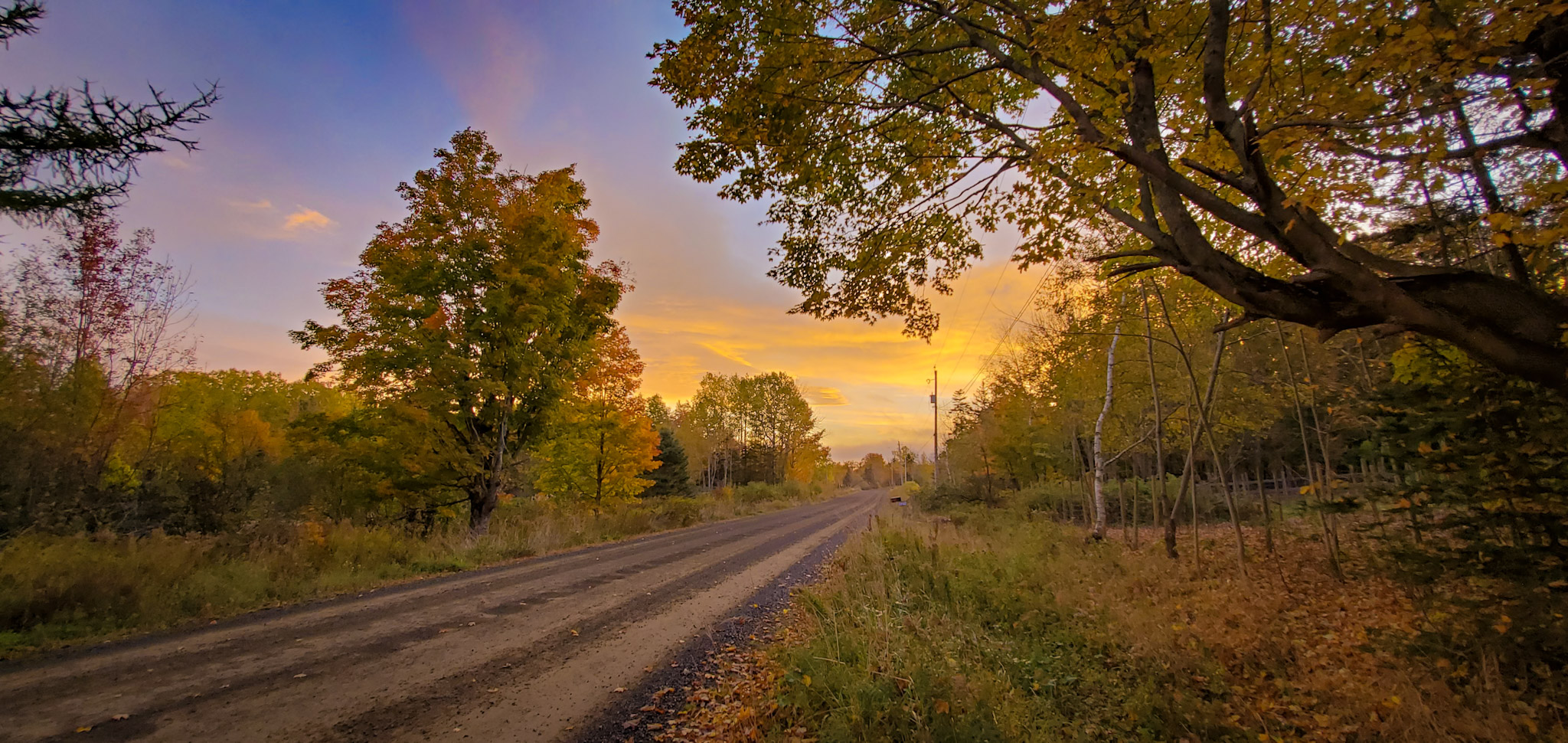
Fall brings changing leaves, apple orchards, harvest markets, migrating wildlife, cool hiking weather, and earlier sunsets.
Winter gives us frozen waterfalls, fresh snow, quiet beaches, skating, sparkling frost, and dark skies that arrive early enough for evening stargazing.
These temporary moments are what make seasonal living interesting.
You do not need to chase all of them.
Pick the ones that make you curious.
Leave Space for Spontaneous Adventures
Do not fill every line before the season begins.
Leave two or three blank spaces on your bucket list.
Something unexpected will probably appear.
You might hear about a festival you did not know existed. Someone may recommend a trail. A snowy morning might suddenly become perfect for a walk. You could stumble across a beach, farm market, roadside stand, or viewpoint while doing something completely unrelated.
Add those discoveries as they happen.
A seasonal bucket list should help you pay attention, not lock you into a schedule.
Make the List Visible
A seasonal bucket list hidden in a notebook or buried in your phone is very easy to forget.
Put it somewhere you will see it.
That might be:
- On the refrigerator
- On a family bulletin board
- Inside your planner
- On your phone lock screen
- In a journal
- Beside your calendar
You can also involve your family.
Let everyone choose one or two ideas. Suddenly the list becomes less about one person planning everything and more about sharing the season together.
You could even keep a marker nearby and check things off as you do them.
Just remember that checking the boxes is not the goal.
The experiences are.
Do Not Wait for the Perfect Day
This is where many seasonal plans disappear.
We imagine the perfect version.
The trail should be dry.
The fall colours should be at peak.
Everyone should be available.
The weather should be sunny.
We should leave early.
Then the perfect day never arrives.
Sometimes the memorable version is the slightly imperfect one.
The picnic gets moved to the car because it rains.
The leaves are not quite at peak, but the trail is quiet.
You arrive at the beach later than planned and catch an incredible sunset.
The snow is sticky instead of fluffy, so you build a ridiculous snow creature instead of going snowshoeing.
Adventure does not require ideal conditions.
Often it starts when we use what the day gives us.
Review Your List Halfway Through the Season
About halfway through the season, look at your list again.
Not to see how far behind you are.
Instead, ask:
- Do these ideas still sound fun?
- Is there something I definitely want to make time for?
- Has the season inspired any new ideas?
- Is there anything I can happily remove?
Cross things out if you no longer care about them.
Add something new if you discover it.
Your bucket list works for you. You do not work for your bucket list.
Enjoying this article?
Get the free Seasonal Adventures Four Season Adventure Guide and discover simple ways to find inspiration, play with an idea, and make something without pressure.
Free instant download. Plus monthly emails with playful ideas to explore, create, notice more, and rediscover Nova Scotia.
We respect your privacy. Unsubscribe anytime.
A Simple Seasonal Bucket List Formula
If you are staring at a blank page, try this simple starting point:
3 easy adventures
Things you could do with little planning.
2 outdoor experiences
Walks, drives, beaches, trails, gardens, stargazing, or anything else that gets you outside.
2 creative activities
Photography, sketching, baking, crafts, journaling, or another way to play with the season.
2 connection ideas
Something to do with family, friends, or your community.
2 memory-keeping ideas
Simple ways to notice and remember what happened.
1 bigger adventure
Something you would love to make happen before the season changes.
That gives you twelve ideas with enough variety to work around weather, schedules, energy, and real life.
Your Bucket List Should Feel Like an Invitation
Seasonal adventures are not about squeezing as much as possible into three months.
They are about noticing the things that will not be here forever.
The colour on the trees.
The first snowfall.
The warm evening when everyone stays outside a little longer.
The roadside strawberries that only appear for a few weeks.
The quiet winter beach you almost talked yourself out of visiting.
A good seasonal bucket list simply helps you notice those opportunities before the next season arrives.
So keep your list small.
Choose things you genuinely want to do.
Mix bigger adventures with tiny ones.
Leave room for unexpected discoveries.
And when you only complete half of it?
That is perfectly fine.
The point was never to finish the list.
The point was to enjoy the season.