
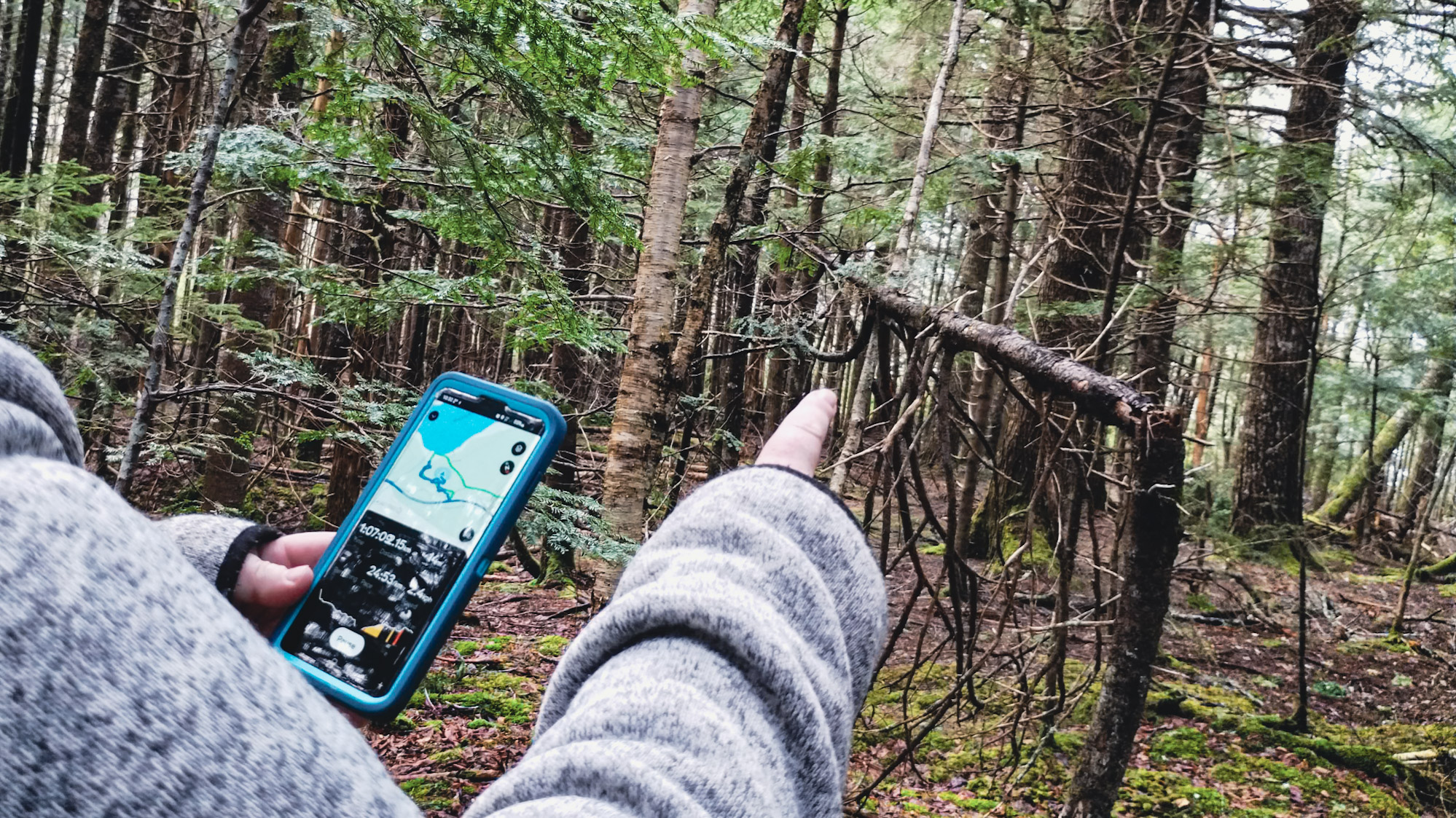
Most people think a scavenger hunt requires a special location, elaborate clues, or hours of planning.
In reality, some of the best scavenger hunts happen in ordinary places. A walk through the neighbourhood, an afternoon at the beach, a family campground, or even your own backyard can become an adventure with a little creativity.
Scavenger hunts work because they encourage us to pay attention. Instead of rushing from one place to another, participants begin noticing colours, textures, wildlife, interesting details, and things they might normally walk right past. They turn passive outings into active experiences.
They are also incredibly versatile. A scavenger hunt can entertain young children, challenge teenagers, bring families together, add excitement to a road trip, support classroom learning, or create a fun activity for a community event.
The best part is that you do not need a special destination, a complicated app, or a detailed plan. With a simple idea and a short list of challenges, you can create a scavenger hunt almost anywhere in just a few minutes.
What Makes a Good Scavenger Hunt?
Before creating your list, it helps to understand what makes a scavenger hunt enjoyable.
A good scavenger hunt is:
Simple: Participants should not need a lengthy explanation before they begin. A shorter list is usually more engaging than a giant checklist filled with dozens of items.
Flexible: People should have multiple ways to complete a challenge. This helps participants feel successful regardless of where they are.
Achievable: A scavenger hunt should encourage exploration, not frustration. If the challenges are too difficult, participants may lose interest quickly.
Engaging: The best hunts encourage curiosity, observation, creativity, and conversation.
Appropriate for the Group: A scavenger hunt designed for preschoolers will look very different from one designed for adults or a competitive team event.
For example:
Too specific:
Find a blue mailbox.
More flexible:
Find something blue.
The second option works in far more locations and allows participants to discover their own answers.
Step 1: Choose Your Location
One of the biggest misconceptions about scavenger hunts is that they require a special setting.
Almost any location can work.
Consider places such as:
- Neighbourhoods
- Parks and trails
- Beaches
- Downtown areas
- Campgrounds
- Road trips
- Backyards
- Community events
- Farmer’s markets
- Historic sites
The key requirement is simple: participants need a safe place where they can move around, observe their surroundings, and make discoveries.
A small park may create a better scavenger hunt than a famous attraction if it encourages people to slow down and pay attention.
Instead of asking, “Is this place exciting enough?” ask:
What interesting things might people notice here?
If you can answer that question, you already have the foundation for a great scavenger hunt.
Step 2: Choose a Theme or Focus
A theme is not required, but it can make your scavenger hunt easier to create and give the activity a clearer direction.
A few simple options include:
- Nature hunt: A bird, an interesting leaf, animal tracks
- Colour hunt: Something red, something yellow, something blue
- Photography hunt: A unique shadow, an interesting reflection, a pattern
- History hunt: A plaque, an old building, a historic landmark
- Road trip hunt: A bridge, a welcome sign, a roadside attraction
- Seasonal hunt: Spring flowers, fall colours, winter ice
- Community hunt: Public art, local businesses, gathering spaces
You do not need to over complicate this step. In many cases, choosing a loose theme will help generate most of your scavenger hunt ideas automatically.
You can also skip the theme entirely and use a mix of colours, textures, objects, sounds, and creative prompts.
Step 3: Decide How Players Will Record Their Finds
Before writing your scavenger hunt list, decide what participants will do when they find something.
Different recording methods create different experiences.
Check It Off
This is the simplest option and works especially well for younger children.
Participants locate each item and check it off their list.
For example:
☐ Something red
☐ A bird
☐ A flower
This style keeps the activity moving and works well for shorter attention spans.
Write It Down
Instead of simply checking off an item, participants record what they discovered.
For example:
Find something red: __________
Find a bird: __________
This encourages closer observation and often leads to more discussion. People become more thoughtful when they know they will need to describe what they found.
Draw It
Drawing works particularly well for creative children and screen-free adventures.
Participants might:
- Sketch an interesting leaf
- Draw a unique rock
- Illustrate a strange-shaped tree
The goal is not artistic perfection. Drawing simply encourages people to slow down and really look at what they are seeing.
Photograph It
Photography hunts are ideal for teenagers and adults.
Participants use a phone or camera to capture discoveries rather than collecting them. This is especially useful in natural environments where plants, rocks, shells, and wildlife should be left undisturbed.
Photography also creates a lasting record of the adventure that participants can share afterward.
Young children do not need their own phones to participate. They can point out what they find, draw it, or ask an adult to take the photograph.
Enjoying this article?
Get the free Everyday Adventure Starter Kit and discover a simple way to turn ordinary time and familiar places into small adventures that fit your life.
Free instant download. Plus monthly emails with playful ideas to explore, create, notice more, and rediscover Nova Scotia.
We respect your privacy. Unsubscribe anytime.
Step 4: Build Your Scavenger Hunt List
A good scavenger hunt includes a variety of challenge types.
If every item is easy, the activity may feel repetitive. If every item is difficult, participants can become frustrated. A balanced list keeps people engaged.
Easy Finds
These are items most participants can locate quickly.
Examples:
- Something red
- A bird
- A flower
- A rock
- Something green
Easy wins build momentum and confidence.
Observation Finds
These challenges encourage participants to pay closer attention.
Examples:
- An interesting texture
- A hidden detail
- Something older than you
- A natural pattern
- An unusual shape
These are often the discoveries participants remember most.
Creative Finds
Creative challenges encourage imagination.
Examples:
- Something that makes you smile
- Something shaped like an animal
- A great photo opportunity
- Something that reminds you of a story
Different participants may come up with completely different answers, which makes sharing discoveries more fun.
Bonus Challenges
Bonus challenges add extra interest without making the main hunt too difficult.
Examples:
- Find the most unusual item
- Create a story about a discovery
- Find something nobody else noticed
- Take the most creative photograph
These challenges often become the highlight of the activity.
A balanced hunt might include five easy finds, three observation prompts, two creative challenges, and one bonus item.
Step 5: Match the Hunt to Your Audience
The people participating should shape the experience.
Young Children
Keep the list short and simple. Pictures may work better than words, and an adult can read the prompts aloud.
Focus on exploration and success rather than competition.
Families
Mix easy and challenging items and encourage teamwork.
Conversation prompts can help extend the activity. Ask questions such as:
- Which discovery surprised you most?
- What did you notice that you had never seen before?
- Which clue was your favourite?
Teenagers
Photography, creativity, unusual challenges, and friendly competition often work well.
Prompts that allow personal expression may be more engaging than a simple list of common objects.
Adults
Adults may enjoy themes involving history, storytelling, photography, local culture, or architecture.
The activity can become less about finding objects and more about discovering interesting details and stories connected to a place.
Set Simple Rules and Boundaries
A scavenger hunt does not need a long list of rules, but a few basic expectations help keep the activity safe and respectful.
Remind participants to:
- Stay within the agreed search area
- Remain with their partner, team, or adult
- Avoid entering private property
- Respect plants, wildlife, displays, and other visitors
- Leave natural and historic objects where they are found
- Skip anything that feels unsafe
- Ask permission before photographing people
For a road trip hunt, only passengers should search for clues or take photographs. The driver should remain focused on the road.
Ready-to-Use Anywhere Scavenger Hunt
Need something you can use immediately?
Try this simple list almost anywhere.
Find, photograph, draw, or record:
☐ Something red
☐ Something older than you
☐ A bird
☐ An interesting texture
☐ Something shaped by nature
☐ A sign with a number on it
☐ Something that tells a story
☐ A hidden detail
☐ Something that makes you smile
☐ A great photo opportunity
☐ Something you have never noticed before
☐ Something that represents your community
☐ A unique shadow
☐ A natural pattern
☐ Your favourite discovery
Afterward, compare answers with your group. You may be surprised by how differently people experience the same place.
Common Scavenger Hunt Mistakes
Making the List Too Long
A shorter list often creates a better experience.
Most participants would rather complete 10 to 15 engaging challenges than struggle through 50.
Making Challenges Too Specific
Specific challenges can accidentally make a hunt impossible in certain locations.
Flexible prompts adapt to more settings and give participants room to find their own answers.
Making Every Challenge Difficult
Participants need a few quick successes to build excitement.
Mix easy finds with more thoughtful prompts and keep the hardest challenge optional.
Focusing Only on Competition
Winning can be fun, but discovery is usually what people remember.
Consider recognizing creativity, teamwork, careful observation, or the most unusual answer instead of focusing only on who finishes first.
Forgetting the Audience
A scavenger hunt should fit the participants.
The best challenge for a preschooler may be completely different from the best challenge for a teenager or adult.
Ways to Make Scavenger Hunts Even More Fun
Once you have mastered the basics, there are plenty of ways to expand the experience.
Turn the hunt into a story quest where participants become explorers on a mission. Add team challenges that require cooperation, or introduce a simple point system for friendly competition.
You can also create seasonal versions, combine the hunt with photography challenges, or design a community adventure that encourages participants to discover local history, public art, and hidden details.
Another easy idea is to let each participant create one clue for the rest of the group. This adds variety and gives everyone a chance to shape the adventure.
The possibilities are nearly endless because the real adventure comes from paying attention to the world around you.
Turn an Ordinary Place Into an Adventure
A scavenger hunt does not require a special destination.
With a thoughtful list and a little curiosity, you can transform almost any outing into an adventure.
The goal is not simply to find things. It is to notice more, explore familiar places in a new way, and create memories together.
Sometimes the most interesting discoveries are waiting in places you have visited a hundred times before. You just needed a reason to look a little closer.
For more simple ideas you can use close to home, download the free Everyday Adventure Starter Guide.